
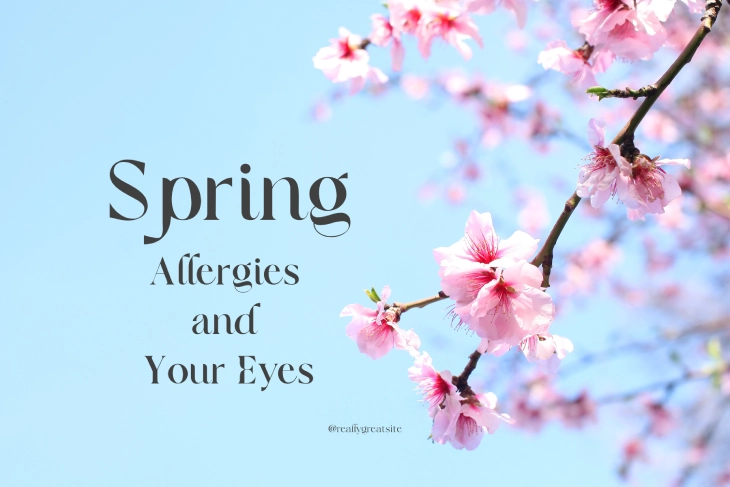
Spring in the Pacific Northwest is one of my favorite times of year. The trees bloom, the days get longer, and everything feels fresh again. But for many of my patients here in Bellevue, spring also brings something far less enjoyable: itchy, red, watery eyes.
If you’re struggling with eye allergies this season, you’re not alone. As an optometrist at Overlake Family Vision, I see a noticeable increase in allergy-related eye symptoms every spring. The good news? There are effective, practical ways to get relief.
Let’s talk about what’s happening — and what actually works.
Why Spring Allergies Affect Your Eyes
Spring allergies (also called seasonal allergic conjunctivitis) are typically triggered by:
- Tree pollen
- Grass pollen
- Mold spores
- Environmental irritants
When pollen comes into contact with your eyes, your immune system releases histamines. That’s what causes:
- Itching
- Redness
- Burning
- Watery discharge
- Puffy eyelids
- Light sensitivity
If you wear contact lenses, symptoms can feel even worse because pollen and allergens cling to the lens surface.
Relief Tips That Actually Work
Here are the strategies I recommend most often in my practice:
1. Don’t Rub Your Eyes
I know—it’s tempting. But rubbing releases more histamines and makes itching worse. It can also irritate the cornea and worsen inflammation.
Instead, try a cool compress to calm irritation naturally.
2. Use Artificial Tears (The Right Way)
Preservative-free artificial tears help:
- Flush allergens from the eye
- Dilute inflammatory substances
- Soothe dryness
For best results, use them consistently, not just when symptoms peak.
If you’re unsure which drops are best, we’re always happy to guide you at Overlake Family Vision.
3. Try Antihistamine or Mast Cell Stabilizer Eye Drops
Over-the-counter allergy drops can be very effective when used correctly. In more persistent cases, prescription-strength options may be needed.
Not all red-eye drops are created equal. “Get-the-red-out” drops may reduce redness temporarily but can worsen irritation over time.
4. Be Smart About Contact Lenses
If you wear contacts:
- Consider switching to daily disposables during allergy season
- Reduce wear time on high pollen days
- Clean lenses thoroughly if using monthlies
- Avoid sleeping in lenses
In some cases, taking a short break from contacts and wearing glasses can dramatically reduce symptoms.
5. Minimize Pollen Exposure
Small changes can make a big difference:
- Keep windows closed during high pollen days
- Use HEPA filters indoors
- Shower and change clothes after spending time outside
- Avoid outdoor activities in early morning when pollen counts peak
6. Address Dry Eye (Often Overlooked)
Many allergy sufferers also have underlying dry eye. When the tear film isn’t healthy, allergens irritate the eye more easily.
If your symptoms linger beyond classic allergy signs, we may evaluate for dry eye as part of your comprehensive eye exam.
When to See an Eye Doctor
You should schedule an appointment if you experience:
- Persistent redness that doesn’t improve
- Eye pain (not just itching)
- Light sensitivity
- Thick discharge
- Blurred vision
Not all red eyes are allergies. Conditions like infections or inflammatory eye diseases require different treatment.
Personalized Allergy Relief in Bellevue
Every patient is different. What works beautifully for one person may not fully relieve symptoms for another. That’s why I take a personalized approach to allergy management at Overlake Family Vision.
Whether you’re a long-time allergy sufferer or this is your first tough season, we can:
- Identify the root cause of your symptoms
- Recommend targeted treatments
- Adjust your contact lens routine
- Create a prevention plan for future seasons
Spring should be something you enjoy — not something you endure with watery, irritated eyes.
If your eyes are bothering you this season, we’re here to help. Schedule an appointment, and let’s get you comfortable.
Here’s to clearer, more comfortable vision this spring!