

Vision Resolutions for the New Year: 5 Healthy Eye Habits to Start Now
The start of a new year always feels like a fresh opportunity. Many of my patients come in during January talking about new routines—eating better, exercising more, or finally checking a few things off their health to-do list. One resolution I love to see is prioritizing eye health.
As your local eye doctor here in Bellevue, WA, I see every day how small habits can make a big difference in how well—and how comfortably—you see. If you’re looking for simple ways to care for your vision in the new year, here are five healthy eye habits I encourage my patients at Overlake Family Vision to start now.
1. Make Your Eye Exam a Yearly Habit
One of the most meaningful things you can do for your vision is schedule a comprehensive eye exam each year.
Many people tell me, “I can see just fine—do I really need an exam?” The answer is yes. Eye exams aren’t just about updating your glasses or contacts. They allow us to monitor eye health and catch concerns like glaucoma, macular degeneration, and diabetic eye disease early—often before you notice any changes.
How Often Should You Get an Eye Exam?
- Children & teens: Once a year
- Adults (18–64): Every year
- Adults 65+: Annually, or more often if recommended
- Patients with medical conditions like diabetes: As advised by your eye doctor
If it’s been more than a year since your last exam, January is the perfect time to get back on track.
2. Give Your Eyes a Break from Screens
So many of us spend hours every day on computers, phones, and tablets. I frequently see patients dealing with tired, dry, or strained eyes—especially after long workdays.
A simple tip I share often is the 20-20-20 rule:
Every 20 minutes, look at something 20 feet away for 20 seconds.
This small habit can go a long way in reducing digital eye strain, headaches, and blurred vision.
3. Wear Eyewear That Truly Supports Your Lifestyle
Your glasses or contact lenses should feel comfortable and help you see your best throughout the day.
In the new year, consider:
- Updating your prescription if it’s changed
- Wearing UV-protective sunglasses year-round (yes—even in the Pacific Northwest!)
- Using blue light–filtering lenses if you’re on screens frequently
I always tell patients: the right lenses can make a noticeable difference in how your eyes feel at the end of the day.
4. Nourish Your Eyes from the Inside Out
Eye health is closely connected to overall health. A balanced diet that includes eye-friendly nutrients can help support long-term vision.
Foods rich in omega-3 fatty acids, vitamin A, lutein, and antioxidants—like leafy greens, fish, fruits, and nuts—can help keep your eyes healthy as you age.
5. Pay Attention to Changes in Your Vision
If you notice headaches, blurry vision, dry eyes, or eye fatigue, don’t brush it off. These are often signs that something has changed.
I always encourage my patients to listen to their eyes. Addressing concerns early can prevent discomfort and help protect your vision long term.
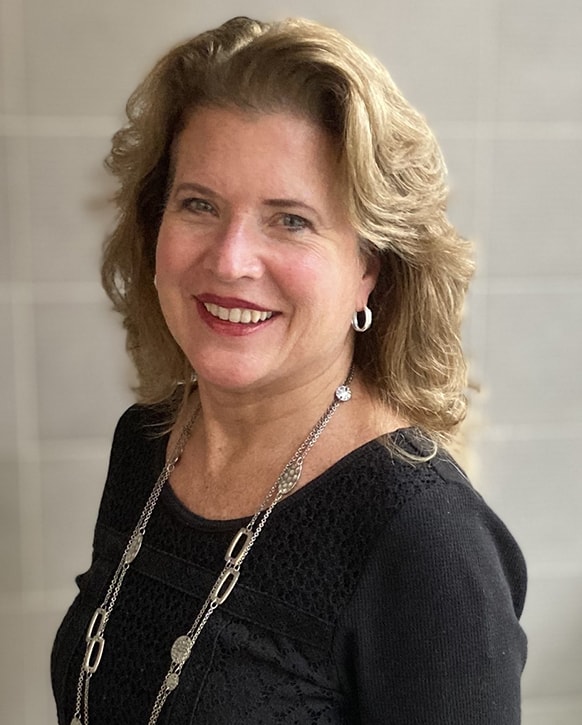
A Personal Note from Dr. Baker
At Overlake Family Vision, our goal is to provide thoughtful, personalized eye care for every member of your family. Whether I’m seeing a child for their first eye exam or helping an adult manage vision changes, I truly value the relationships we build with our patients here in Bellevue.
As we step into the new year, I hope you’ll make your vision a priority. Clear, comfortable sight plays such an important role in how we experience daily life—and I’d be honored to be part of your eye care journey.